

🔨 Replacing Your Roof: What You Need to Know
- Dec 3, 2025
- 4 min read
Updated: Dec 25, 2025
# Replacing Your Roof: A Comprehensive Guide for Homeowners in Rochester, NY
Replacing your roof is a significant investment that requires careful consideration. Making an informed decision ensures longevity and protection for your home. This process revolves around choosing the right contractor and understanding the fundamental structure, or anatomy of a roof. Selecting a contractor committed to quality roofing guarantees your home receives the durable, protective system it needs.
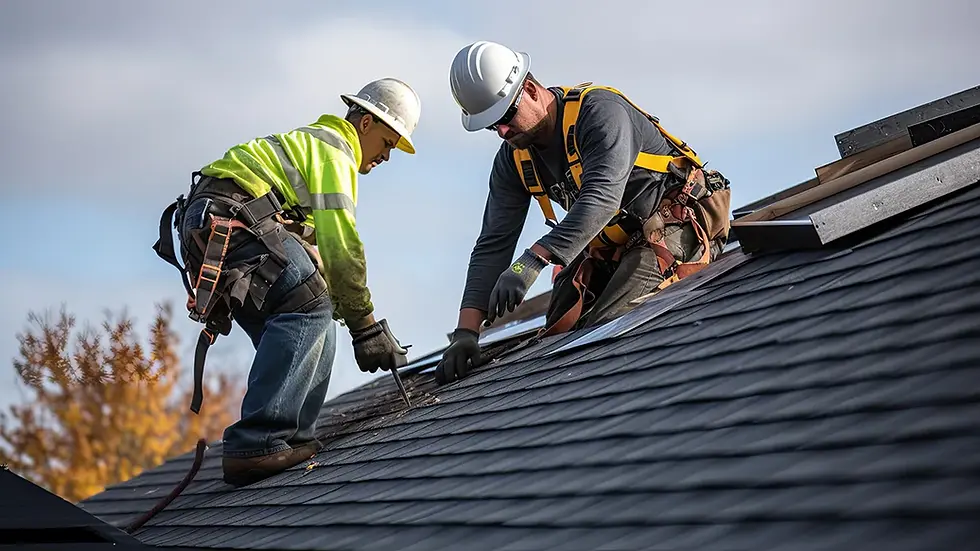
Understanding the Anatomy of a Roof
A roof is a complete system, not just a layer of shingles. Understanding the anatomy of a roof helps you evaluate a contractor's proposal accurately.
| Component | Function |
|------------------------------|-----------------------------------------------------------------------------------------------|
| Decking (Sheathing) | The structural layer (plywood or OSB) that supports all other components. |
| Underlayment | A waterproof or water-resistant barrier installed over the decking. |
| Ice and Water Shield | A specialized membrane applied at eaves and valleys for enhanced leak protection. |
| Shingles/Covering | The primary weather-shedding layer of the roof system. |
| Flashing | Metal pieces used to direct water away from seams, chimneys, and vents. |
| Ventilation System | Components (e.g., ridge and soffit vents) that allow airflow to prevent heat/moisture buildup.|
The Crucial Role of Underlayment
The underlayment is vital for achieving quality roofing. This barrier provides essential secondary protection if wind or hail damages the primary shingle layer. The International Residential Code (IRC) mandates specific underlayment requirements based on the roof’s slope. For instance, in areas with severe weather, using a synthetic underlayment offers superior tear resistance compared to traditional felt paper.
Choosing the Right Contractor for Quality Roofing
Selecting a competent professional is the most important step in replacing your roof. The right contractor ensures every component of the roof anatomy is installed correctly.
How Do You Select a Quality Roofing Professional When Replacing Your Roof?
First, search for a contractor with a strong local reputation. Ask for references from neighbors who have had similar projects done. Secondly, verify their status as a preferred or certified installer for major material manufacturers. This certification indicates that the contractor has been trained by the manufacturer and meets stringent installation standards.
A professional company will provide proof of proper licensing and insurance. Just as Excellent Air demonstrates superior attention to detail in complex HVAC systems, Greg The Roofer brings that dedication to quality and precision to every roofing job. Choosing a contractor with verified expertise guarantees your new roof will be installed correctly the first time.
Material Selection and Achieving Quality Roofing
Material choice significantly impacts the performance and appearance of your finished roof. When replacing your roof, consider the following factors:
1. Shingle Rating and Durability
Asphalt shingles are typically rated for wind resistance and fire resistance. Look for shingles with a Class 4 impact resistance rating if hail is common in your area. This classification means the shingles offer superior protection against impact damage. Furthermore, heavier, multi-layer architectural shingles usually last longer than standard 3-tab shingles.
2. Proper Ventilation
Adequate attic ventilation is non-negotiable for quality roofing. A balanced ventilation system—using both intake vents (typically in the soffits) and exhaust vents (at the ridge)—regulates attic temperature and moisture. Moreover, this regulation prevents the premature aging of shingles caused by excessive heat. It also minimizes ice dam formation in the winter. Improper ventilation can void manufacturer warranties, so ensure your contractor includes a detailed ventilation plan.
3. Code Compliance
Every aspect of replacing your roof must comply with local building codes. These codes specify everything from nailing patterns to flashing material requirements. A professional contractor knows these statutes and secures all necessary permits before work begins. Failure to adhere to codes can lead to major issues during a home resale or insurance claim.
The Contractor-Homeowner Relationship
A good working relationship is built on clear, frequent communication. Your contractor should provide a detailed project timeline. Furthermore, they should inform you immediately of any unforeseen issues, such as discovering extensive rotted decking. Insist on a thorough cleanup. A professional roofing crew will use magnets to collect stray nails and dispose of all old materials properly.
Q&A Section: Roofing Essentials
Q: What is a "ridge vent," and is it necessary?
A: A ridge vent is a type of exhaust vent running along the roof’s peak. It is highly necessary as it allows hot, moist air to escape the attic, which is critical for quality roofing and shingle longevity.
Q: What should the estimate specify about the wood decking?
A: The estimate should outline the cost per sheet of plywood or OSB should any rotted decking need replacing. This avoids a dispute over unexpected repair costs during the project.
Q: How does a steep slope affect roof installation?
A: A steep slope requires extra safety measures and specific installation techniques, such as using six nails per shingle instead of four. It often necessitates special equipment and may increase the overall labor cost for replacing your roof.
Q: What is "flashing" made of, and where is it used?
A: Flashing is typically made of galvanized steel or aluminum. It is used in critical areas like pipe vents, chimneys, walls, and valleys to create a water-tight seal.
Call Greg The Roofer today to schedule your expert consultation and secure a quote for quality roofing that lasts.


Comments